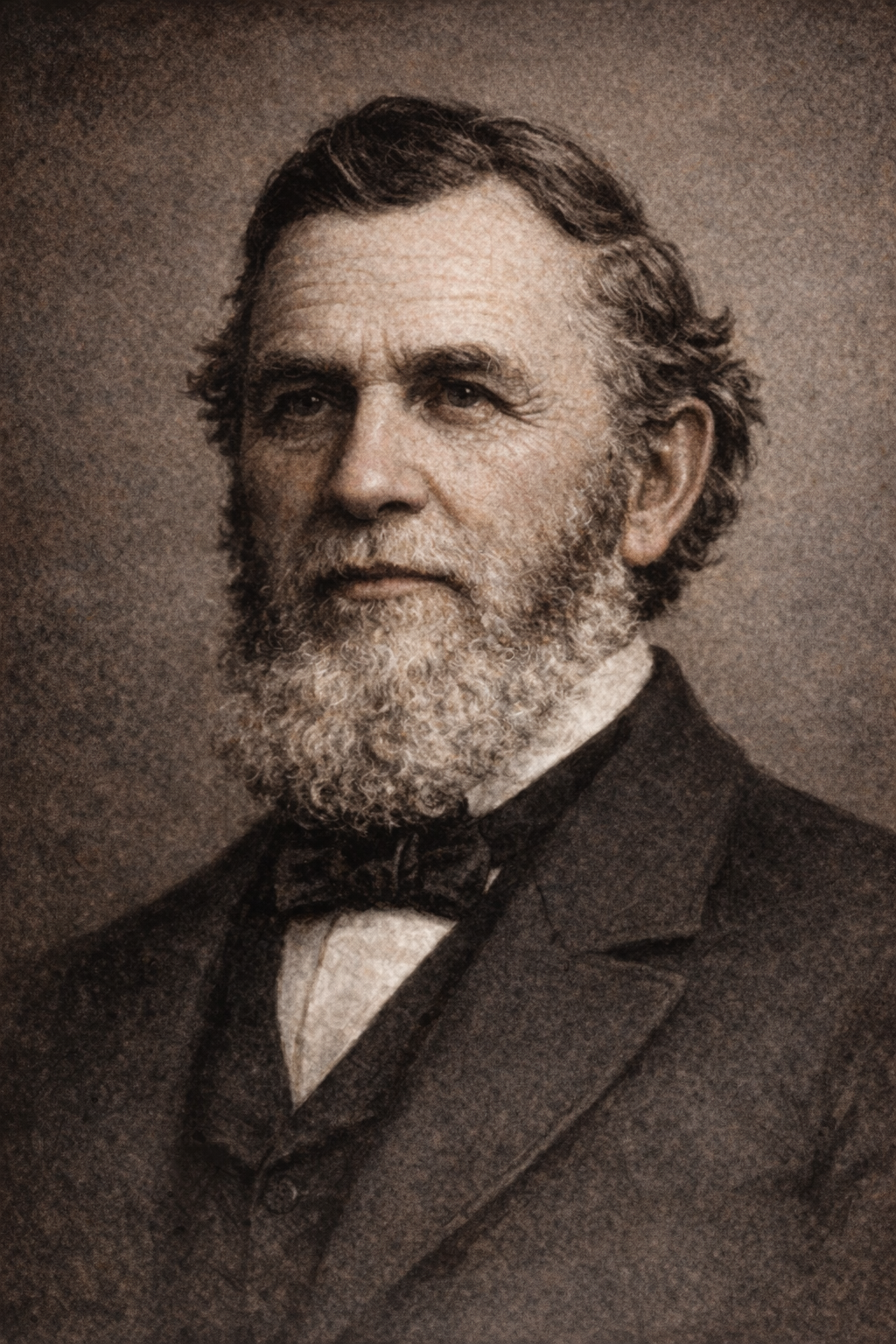
Early Ministry
Josiah Litch was born in Massachusetts in 1809 and trained at Wesleyan Academy in Wilbraham. He entered Methodist itinerant ministry in 1833 and worked in New England before joining the Millerite movement in the early 1840s.
Millerite Leadership and Prophetic Writing
After reading William Miller's materials, Litch became one of the movement's major writers and promoters. His books and pamphlets circulated widely, and he helped invite other leaders, including Charles Fitch, into the cause.
Litch became known for his interpretation of Revelation 9 and his 1840 Ottoman prediction, which many Millerites treated as a dramatic confirmation of prophetic historicism.
Pre-Advent Judgment Concept
In the early 1840s Litch developed a pre-advent judgment idea, arguing that divine judgment would involve examination before execution. Later Adventists developed this concept further in their own theological framework.
After 1844
After the Great Disappointment, Litch participated in post-1844 Adventist realignments, including the Albany Conference. Over time he moved away from earlier historicist positions and eventually toward futurist interpretations.
He remained active in Adventist-related circles until his death in 1886.
Legacy
Litch's significance lies in his publishing output, his role in Millerite mobilization, and his influence on debates over prophecy and judgment in nineteenth-century Adventist history.
Sources
Wikipedia profile and references: https://en.wikipedia.org/wiki/Josiah_Litch
Adventist encyclopedia-style reference context used in this project: https://encyclopedia.adventist.org/articles?category=218