“Come Out of Her,
My People”
This landmark 1843 sermon by Charles Fitch was the thundering proclamation of the Second Angel's Message of Revelation 14:8 — Come out of her, My people. Rooted in the Second Angel’s message of Revelation 14:8 (Babylon is fallen), Fitch called God’s people to separate from all apostate Protestant churches that had rejected the first angel’s judgment-hour message. But the call was not only to come out — it was to come back in to the pioneer Advent message: the books, tracts, sermons, and prophecy charts of the early Adventists who restored the sealing Sabbath, the Fourth Commandment in the perpetual law of God.
“And I heard another voice from heaven, saying, Come out of her, my people, that ye be not partakers of her sins, and that ye receive not of her plagues.”— The cry that Charles Fitch proclaimed to hundreds of thousands in 1843
Come Out of Her, My People (1843)
Read the complete sermonic tract below. Download the PDF for sharing, printing, or offline study.
All Charles Fitch Writings
The complete collection of Charles Fitch’s surviving sermonic tracts and addresses available in this library.
Come Out of Her, My People
The landmark Second Angel’s message sermon — Babylon is fallen. Calling God’s people out of apostate Protestant churches that rejected the first angel’s message of the judgment hour.
Read PDFSlaveholding Weighed in the Balance of Truth
Fitch’s powerful moral address weighing the institution of slaveholding against the plain teachings of Scripture. A reform tract from the height of the Advent movement.
Read PDFSlaveholding — Part II
The continuation of Fitch’s systematic examination of slaveholding, responding to objections and presenting the biblical case for immediate reform.
Read PDFSlaveholding — Part III
The concluding section of Fitch’s moral and scriptural arguments against slaveholding, calling ministers and churches to take a stand on this pressing reform question.
Read PDFPerfection
Charles Fitch’s theological tract addressing Christian perfection, sanctification, and the call to holiness — reflecting the reforming theological convictions he brought to the Advent movement.
Read PDFWho Was Charles Fitch?
From Presbyterian minister to herald of the Second Angel — Charles Fitch’s life was set on fire by the Advent message.
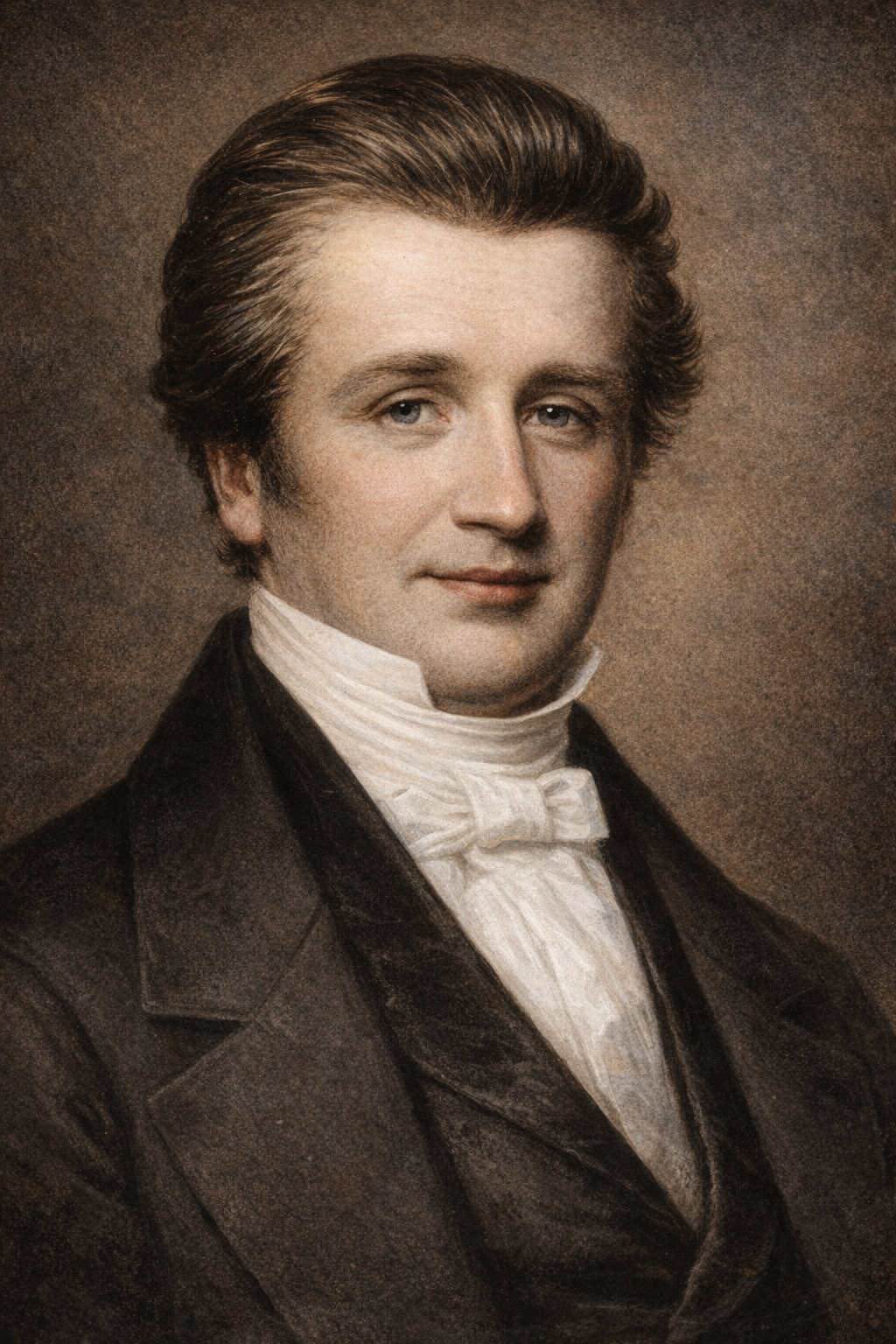
Charles Fitch (1792–1844) — Preacher of the Second Angel’s Message
Herald of the Second Angel
Charles Fitch was one of the most consequential preachers in the early American Advent movement. Trained as a Presbyterian minister, he was converted to William Miller’s prophetic understanding of Daniel 8:14 and became a fearless herald of the judgment hour.
His greatest contribution was the 1843 sermon “Come Out of Her, My People” — a thundering proclamation that the Protestant churches had become Babylon by rejecting the first angel’s message of the imminent second coming. The call of Revelation 18:4 was not merely future, Fitch argued — it was present duty.
Fitch also co-designed the celebrated 1843 Prophecy Chart with Apollos Hale, fulfilling Habakkuk 2:2’s command to “write the vision, and make it plain upon tables.” These massive illustrated charts were carried to campmeetings across America and used to preach Daniel 8:14 to hundreds of thousands.
He died on October 14, 1844 — just eight days before the Great Disappointment — having given his life as one of the foremost voices of the Midnight Cry.
The Second Angel & The Loud Cry
Revelation 14:8 is the Second Angel. Revelation 18:4 is the Loud Cry — amplified with fresh power, carrying the additional weight of every corruption that has entered the churches since October 22, 1844.
Babylon Is Fallen, Is Fallen
“And there followed another angel, saying, Babylon is fallen, is fallen, that great city, because she made all nations drink of the wine of the wrath of her fornication.”— Revelation 14:8 (KJV) — The Second Angel: Babylon is fallen
“And after these things I saw another angel come down from heaven, having great power; and the earth was lightened with his glory. And he cried mightily with a strong voice, saying, Babylon the great is fallen, is fallen, and is become the habitation of devils…”— Revelation 18:1–2 (KJV) — The Loud Cry angel with great power — the earth lightened with his glory
“And I heard another voice from heaven, saying, Come out of her, my people, that ye be not partakers of her sins, and that ye receive not of her plagues. For her sins have reached unto heaven, and God hath remembered her iniquities.”— Revelation 18:4–5 (KJV) — The Loud Cry — not merely the Second Angel repeated, but amplified with new urgency
The Second Angel (Revelation 14:8) proclaimed Babylon’s fall in 1844 — when the Protestant churches
collectively rejected the first angel’s message of the judgment hour. That was the initial fall.
The Loud Cry (Revelation 18:4) is not merely a repeat. It carries additional force — the accumulated
weight of every corruption that has entered the churches since October 22, 1844: Sunday sacredness enforced
in place of the Sabbath, spiritualism, ecumenism with Rome, worldliness, and the complete abandonment of the
pioneer Advent message. The angel of Revelation 18 comes down with great power — the earth is
lightened with his glory — because the crisis is now final.
The Loud Cry is not merely a call to leave. It is a call to come back into the pioneer Advent message —
to read the books, tracts, sermons, and prophecy charts of the early Adventists who restored the sealing Sabbath,
defended the Fourth Commandment, and gave their lives for the present truth. That pioneer library is this site.
“In amazement they hear the testimony that Babylon is the church, fallen because of her errors and sins, because of her rejection of the truth sent to her from heaven.”— Ellen G. White, The Great Controversy, p. 606 — This is what the Loud Cry testimony sounds like when the honest in heart finally hear it
Discover the Sealing Sabbath
The Loud Cry calls you out of Babylon — but it also calls you into something: the pioneer Advent message, the sealing Sabbath, and the Fourth Commandment in the perpetual law of God. Captain Joseph Bates laid the foundation.
After Charles Fitch’s Loud Cry called people out of Babylon, it was Captain Joseph Bates who showed them where to go. In 1846 Bates spent his last money printing the tract that converted James and Ellen White to the Seventh-day Sabbath. His 1849 masterwork “A Seal of the Living God” identified the Sabbath as the very seal of Revelation 7 — the sealing sign of the 144,000. The Fourth Commandment is not abolished. It is the seal of the living God, embedded in His perpetual law.